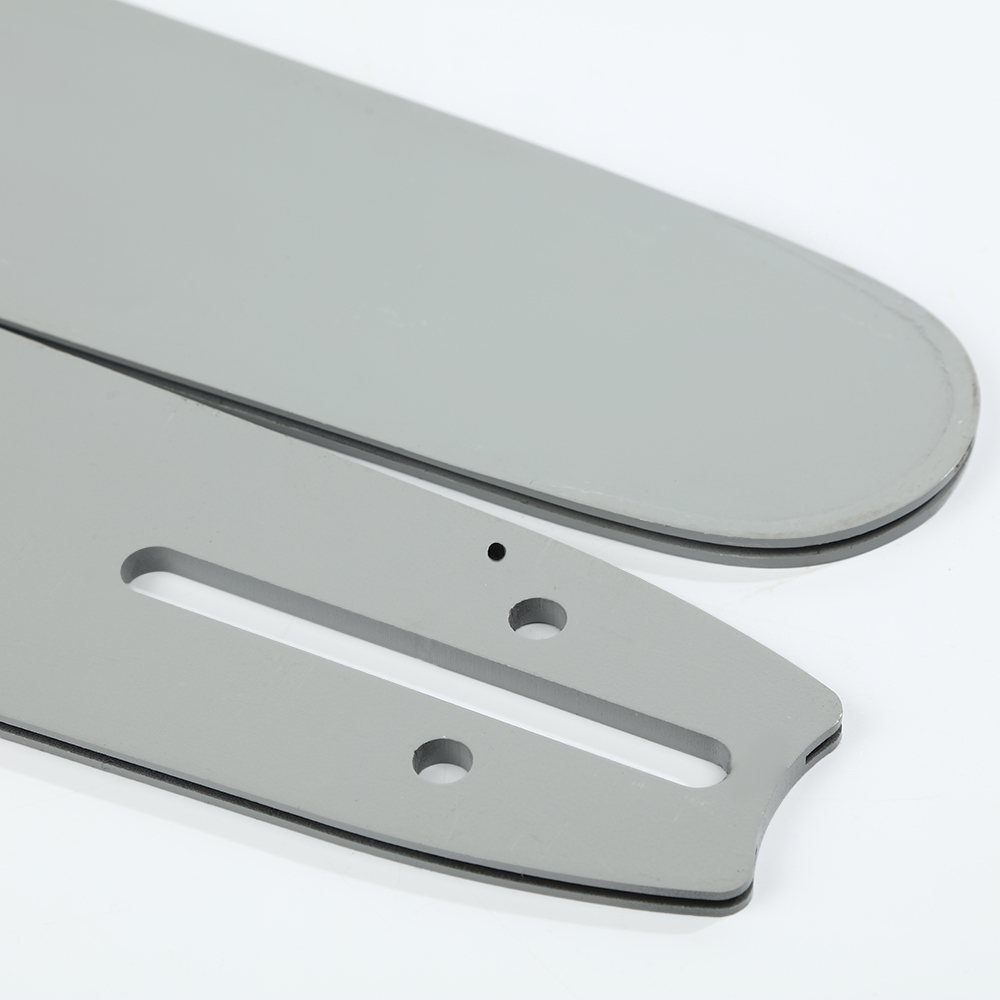
Bar length is the first specification every chainsaw parts buyer asks about — and the one that most often decides whether a container of guide bars sells through in one season or sits in the warehouse for two years. This guide summarises what we see across thousands of wholesale orders, so you can plan a stock mix that matches your market.
The Three Demand Segments
Firewood and homeowner use (14"–18")
The volume segment. Homeowner and farm saws in the 35–50 cc class dominate unit sales in nearly every European market, and they take 14", 16" and 18" bars — usually laminated construction with 3/8" LP or .325" pitch. If you serve garden machinery dealers or hardware chains, this range should be 60–70% of your bar inventory.
Arborist and tree care (12"–16")
Top-handle saws used in canopy work need short, light bars: 12" and 14" open-slot or carving profiles. Volumes are smaller, but margins are healthier and buyers reorder reliably because bars in professional daily use are consumables.
Professional forestry (20"–28"+)
Felling and bucking saws above 60 cc take 20" to 28" solid bars, moving to .404" pitch at the long end. Demand concentrates in Scandinavia, the Alps, the Carpathians and the Iberian eucalyptus plantations.
A Practical Stock-Mix Starting Point
| Segment | Typical lengths | Suggested share |
|---|---|---|
| Firewood / homeowner | 14"–18" laminated | 60–70% |
| Arborist / tree care | 12"–16" light bars | 10–15% |
| Professional forestry | 20"–28" solid | 20–25% |
Three Rules That Prevent Dead Inventory
- Match mounts before lengths. An 18" bar in the wrong mount pattern is unsellable; confirm which saw brands dominate your region first.
- Follow the saw park, not the catalogue. Order history from local repair shops predicts demand better than any global sales chart.
- Anchor on the 16"/18" pair. When in doubt, these two lengths carry the lowest stocking risk in every market we ship to.
Climate matters too: markets with cold winters and firewood traditions skew towards 18", while southern markets with orchard and olive-grove pruning pull demand down to 14" and below. Review your mix once a year against actual sell-through, and let slow lengths drop out rather than reordering by habit.